


What we do
Non urban metering
Know where your meter stands, with meter audits, accuracy checks and the NSW metering rules in plain words.
Overview
Know where your meter stands.
In NSW, licensed pumps and bores above set sizes and entitlements must be metered, and what each one needs depends on its size, its entitlement and where it is. We audit meters, check their accuracy and explain the rules in plain words. Our own metering licence is in progress. Until it is confirmed, we can explain the rules and check where your meter stands.
Meter audits
The meter and its installation, checked against the rules and the maker's requirements.
Accuracy checks
Whether the meter is reading the water you actually take.
The rules, explained
Which rules apply to your works, and what you need by your compliance date.
What we do
What we cover.
Meter audits
We check your meter and how it is installed against the metering rules and the maker's requirements. You find out what is right, what isn't and what to fix.
- Whether the meter is pattern approved
- Right size and type for the pipe and flow
- Installed as the maker specifies
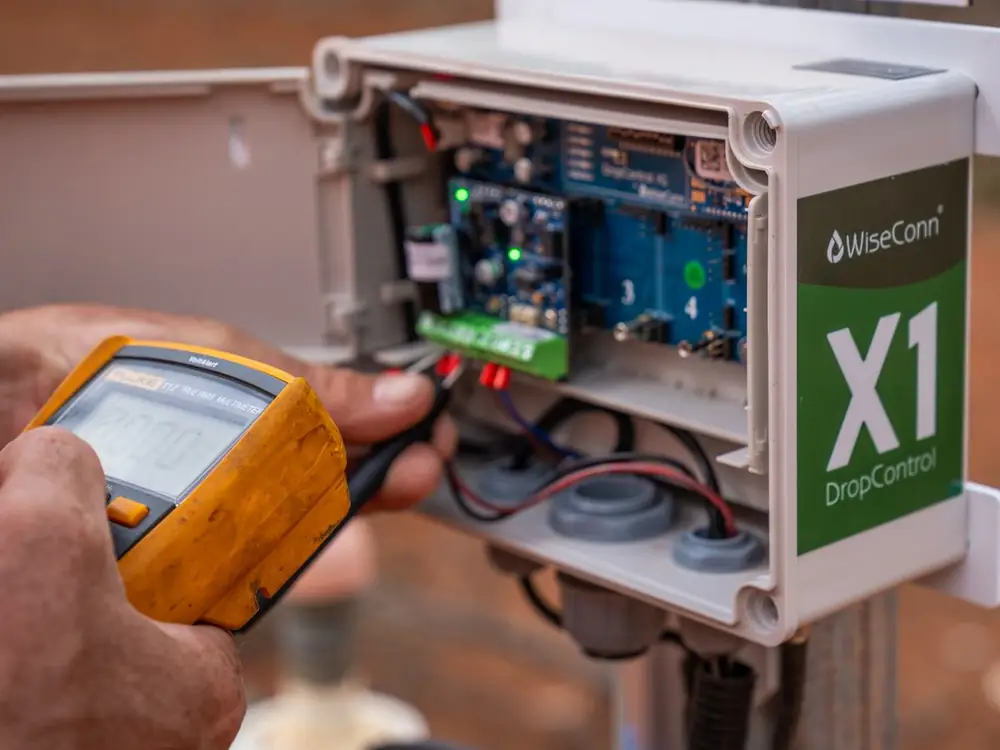
- Local intelligence device and telemetry working
Accuracy checks
A meter that reads high uses up allocation on water you didn't take. One that reads low means you are taking more than your account shows.
- Readings checked against the actual flow
- Causes of error, such as wear or debris
- Advice on repair or replacement
- Results you can act on before your compliance date
Who needs a meter in NSW
The rules came in by stages from December 2020, starting with pumps 500 mm and larger, then region by region. After a review, what you need now depends on the size of your pump or bore, the entitlement the work is nominated for, and whether you are inland or on the coast. Coastal works of 100 ML or more have until 1 December 2026.
- Pumps 500 mm and larger: the full rules, statewide
- Inland, 100 ML or more: the full rules, now
- Over 15 and under 100 ML: a pattern approved meter
- 15 ML or less: no meter unless you trade water
What the full rules ask for
For the largest users, the rules ask for a pattern approved meter to the national standard, installed and checked by a person qualified under the rules. A local intelligence device logs the readings and sends them to WaterNSW by telemetry.
- Meter to AS 4747, pattern approved
- Installed and checked under the rules
- Local intelligence device logging readings
- Telemetry to WaterNSW
Dates and ongoing obligations
The rules keep applying after the meter goes in. Some deadlines are still to come, and meters must be checked again and kept working.
- Over 15 and under 100 ML: 1 December 2027, or work approval renewal if later
- AS 4747 meters checked again after 10 years, then every 5
- Meter faults reported to WaterNSW
- Telemetry outages of 72 hours or more reported
What you get
A clear picture of your meter, and what to do next.
- Meter audit against the rules and the maker's requirements
- Accuracy check
- Installation problems found and explained
- Local intelligence device and telemetry checked
- Which NSW rules apply to your works
- Your compliance date
- What to fix, in order
Questions
Metering, answered.
What are the exemptions for non urban water metering in NSW?
You don't need a meter if you only take water under basic landholder rights, such as domestic and stock use. Small works are exempt too: a single surface water pump under 100 mm, or a single bore with casing under 200 mm, with smaller limits when there are two or more works. Works nominated for 15 ML or less don't need a meter unless you trade water, but you must still record and report what you take. There is no exemption for pumps 500 mm and larger, and WaterNSW sets out the full rules on its non urban metering page.
Where can I find a list of NMI approved meters?
The Australian Government's water department (DCCEEW) publishes the list of pattern approved non urban water meters, which are the meters approved by the National Measurement Institute. WaterNSW points to it from its non urban metering page, and the NSW Government also keeps a list of approved local intelligence devices. Checking your meter against the list is part of our meter audit.
Can I put a bore on my property in NSW?
Yes, with approval. You need a water supply work approval from WaterNSW before the bore is drilled, and it must be drilled by someone with a current NSW driller's licence. Water for domestic and stock use comes under basic landholder rights and needs no water access licence, but irrigation and other commercial use does. Once you take water under a licence, the metering rules apply according to the bore size and your entitlement.
Do the same rules apply in Victoria and South Australia?
No. Each state sets its own metering rules, although Victoria and South Australia build on the same national standard for non urban meters (AS 4747). Who owns the meter, and who installs and checks it, differs from NSW. In Victoria, for example, meters on licensed take are generally owned and maintained by the water corporation. Your water corporation or state water department can confirm what applies to you.
Can you install my water meter?
Not yet. Installing a meter under the metering rules is a regulated step, and our metering licence is in progress. Until it is confirmed, we can explain the rules and check where your meter stands, with a meter audit and an accuracy check.
How much does a meter audit cost?
It's priced on application. What drives the price: how many meters and sites there are, the meter type, access on site, whether the telemetry is checked too, and travel. Send the details and we'll come back with a scope and a price.
Related
Not sure where your meter stands?
Send the property location, the meter you have and the size of your pump or bore. Nick, Matt or Aaron will call you back with a scope and a price.